Best IPTV Services Guide 2026 | Features, Setup & Tips
Discover everything about IPTV services, including features, benefits, setup, legal considerations, supported devices, and expert tips to choose the best IPTV service.
Table of Contents
What Are IPTV Services?
How IPTV Services Work
Main Types of IPTV Services
Key Features of IPTV Services
Benefits of IPTV Services
Potential Drawbacks
Supported Devices
Internet Speed Recommendations
IPTV Services vs Traditional Cable
How to Choose IPTV Services
Best Practices
Expert Tips
Common Mistakes
FAQs
Conclusion
IPTV Services: Complete Guide to Features, Benefits & Setup
Introduction
IPTV services have transformed the way people watch television by delivering content through an internet connection instead of traditional cable or satellite networks. As internet speeds continue to improve worldwide, IPTV has become a popular choice for viewers looking for flexibility, high-quality streaming, and access to live TV, movies, sports, and on-demand entertainment from multiple devices.
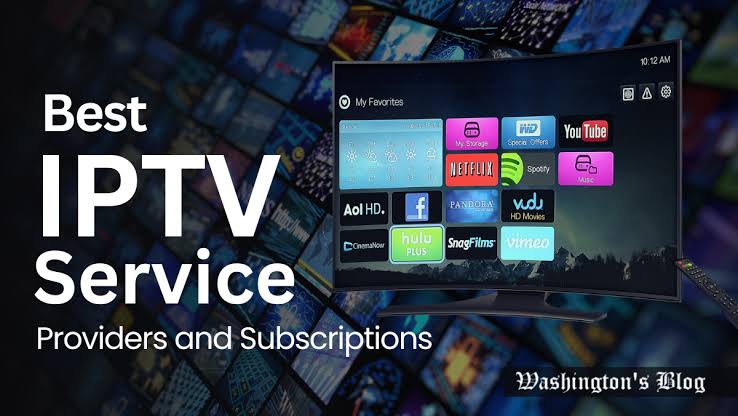
Unlike conventional broadcasting, IPTV allows users to watch their favorite programs whenever and wherever they want. Modern IPTV services often include features such as video on demand, catch-up TV, cloud-based streaming, electronic program guides, multi-device compatibility, and high-definition streaming. These capabilities make IPTV an attractive solution for households, travelers, sports fans, and movie enthusiasts alike.
However, not every IPTV service offers the same level of quality, reliability, or customer support. Choosing the right service requires understanding its features, streaming performance, device compatibility, pricing, and legal considerations. This guide explains everything you need to know about IPTV services, helping you make an informed decision while enjoying a better streaming experience.
What Are IPTV Services?
IPTV services deliver television programming through Internet Protocol (IP) networks instead of traditional cable or satellite signals.
Rather than receiving broadcasts through coaxial cables or satellite dishes, viewers stream content directly over their internet connection. This allows greater flexibility, improved accessibility, and a personalized viewing experience.
Modern IPTV platforms typically provide:
Live television channels
Sports coverage
Movies
TV series
Video on Demand (VOD)
Catch-Up TV
Electronic Program Guide (EPG)
Multi-device streaming
Because everything is internet-based, users can enjoy entertainment from virtually anywhere with a stable broadband connection.
How Do IPTV Services Work?
IPTV services use internet protocols to transmit video content from streaming servers to your preferred device.
Instead of broadcasting every channel simultaneously, IPTV sends only the content requested by the viewer. This efficient delivery method reduces bandwidth usage while improving playback quality.
The basic process includes:
The provider stores media on secure streaming servers.
The user selects a channel or movie.
The content is transmitted over the internet.
An IPTV application decodes the stream.
The video plays on the selected device.
This technology enables smoother playback, quicker channel switching, and support for features such as pause, rewind, and catch-up viewing.
Main Types of IPTV Services
Understanding the different types of IPTV services helps you choose the right option for your viewing habits.
Live IPTV
Live IPTV streams television channels in real time, similar to traditional cable TV.
Popular uses include:
News
Sports
Entertainment
Kids channels
International programming
This option is ideal for viewers who enjoy watching live events and scheduled broadcasts.
Video on Demand (VOD)
Video on Demand allows viewers to watch content whenever they choose.
Instead of following a TV schedule, users can instantly stream:
Movies
TV series
Documentaries
Children's content
Educational videos
VOD provides maximum flexibility for busy households.
Catch-Up TV
Catch-Up TV lets users watch previously aired television programs without recording them.
Many IPTV services store broadcasts for several days, allowing viewers to watch missed episodes whenever convenient.
Time-Shifted TV
Time-shifted viewing allows users to:
Pause live TV
Rewind programs
Resume playback later
This feature is especially useful during live sports events or breaking news broadcasts.
Key Features of IPTV Services
Reliable IPTV services include numerous features designed to improve the streaming experience.
High-Quality Streaming
Many providers support:
HD
Full HD
4K Ultra HD
Picture quality depends on both the provider's infrastructure and the user's internet connection.
Multi-Device Compatibility
One subscription often works across multiple devices, allowing seamless switching between screens.
Compatible devices generally include:
Android TV
Smart TVs
Fire TV Stick
Apple TV
Google TV
Chromecast
Windows PC
Mac
Android smartphones
iPhone
Tablets
Android TV Boxes
Electronic Program Guide (EPG)
An Electronic Program Guide displays:
Current programs
Upcoming schedules
Channel information
Categories
This makes finding content much easier.
Video on Demand Library
Many IPTV services include thousands of:
Movies
TV shows
Documentaries
Family entertainment
The content library is frequently updated.
Multi-Screen Support
Some IPTV services allow multiple family members to stream simultaneously on different devices using one subscription, depending on the provider's plan.
Cloud-Based Streaming
Because IPTV content is delivered online, users generally don't need large local storage. Everything streams directly from cloud servers, making updates and content access more convenient.
Adaptive Streaming Technology
Modern IPTV services use adaptive bitrate streaming to automatically adjust video quality based on your internet speed. This helps reduce buffering and ensures a smoother viewing experience, even when network conditions fluctuate.
User-Friendly Interface
A well-designed IPTV application makes navigation simple with features such as:
Search functionality
Favorite channels
Recently watched content
Category filters
Personalized recommendations
An intuitive interface improves the overall viewing experience for users of all skill levels.
Benefits of IPTV Services
IPTV services have become increasingly popular because they provide a flexible and convenient way to enjoy television over the internet. Whether you enjoy live sports, blockbuster movies, international channels, or on-demand content, IPTV offers features that traditional broadcasting often cannot match.
Watch Anywhere
One of the biggest advantages of IPTV services is accessibility. As long as you have a reliable internet connection, you can stream content from almost anywhere.
This makes IPTV ideal for:
Home entertainment
Business travelers
Students living away from home
Vacation streaming
Remote workers
Huge Content Library
Many IPTV services provide access to thousands of entertainment options, including:
Live television
Movies
TV series
Sports
News
Children's programming
Documentaries
International channels
Having everything available in one place reduces the need for multiple entertainment subscriptions.
Better Viewing Flexibility
Unlike traditional TV, IPTV allows viewers to enjoy content according to their schedule.
Popular viewing features include:
Pause live TV
Resume playback
Catch-Up TV
Video on Demand
Favorites list
Search functionality
Multi-Device Streaming
Most IPTV services support multiple operating systems and streaming devices, allowing users to continue watching from one device to another without interruption.
Supported devices often include:
Smart TVs
Android TV
Fire TV Stick
Apple TV
Google TV
Windows
macOS
Android phones
iPhone
Tablets
Potential Drawbacks of IPTV Services
While IPTV offers many advantages, it's important to understand its limitations.
Some common challenges include:
Streaming quality depends on internet speed.
Network congestion may cause buffering.
Older devices may not support modern IPTV applications.
Not every provider offers the same reliability.
Customer support quality varies between providers.
Understanding these factors helps users choose a service that best meets their needs.
IPTV Services vs Traditional Cable TV
IPTV Services
Pros
Internet-based streaming
Watch on multiple devices
Video on Demand
Catch-Up TV
Flexible viewing
Easy setup
Portable
Cons
Requires stable internet
Performance depends on network quality
Traditional Cable TV
Pros
Stable local signal
Familiar channel packages
No internet required for viewing
Cons
Limited flexibility
Usually restricted to one location
Less personalized viewing experience
Limited on-demand functionality
How to Choose IPTV Services
Selecting the right IPTV service requires more than comparing prices. Consider the overall streaming experience and reliability.
Look for the following:
Stable streaming performance
High-definition and 4K support
Large Video on Demand library
Catch-Up TV availability
Electronic Program Guide (EPG)
Responsive customer support
Multi-device compatibility
Regular content updates
Easy-to-use interface
Secure payment options
Free trial or demo, if available
A provider that balances quality, usability, and support generally offers a better long-term experience.
Step-by-Step Guide to Getting Started
If you're new to IPTV, these steps can help you begin.
Step 1: Check Your Internet Connection
For smooth streaming, a reliable broadband connection is essential.
Recommended speeds:
SD: 5 Mbps
HD: 10 Mbps
Full HD: 20 Mbps
4K UHD: 30–50 Mbps
Step 2: Choose a Compatible Device
Install an IPTV application on your preferred device, such as:
Smart TV
Android TV
Fire TV Stick
Apple TV
Smartphone
Tablet
Computer
Step 3: Configure the IPTV App
Follow the provider's setup instructions and enter the required account details or playlist information.
Step 4: Organize Your Content
After setup, customize your experience by:
Saving favorite channels
Creating playlists
Exploring Video on Demand
Browsing categories
Step 5: Enjoy Streaming
Keep your application updated and use a stable internet connection for the best viewing experience.
Best Practices
To improve your IPTV experience:
Use a fast and stable internet connection.
Keep your IPTV application updated.
Restart your streaming device periodically.
Close unnecessary background applications.
Use wired Ethernet when possible.
Organize favorite channels for quicker access.
Check for software updates regularly.
Monitor internet speed during peak hours.
Expert Tips
Choose providers with a proven reputation for uptime and stability.
Test the service during different times of the day.
Compare available features before subscribing.
Ensure your device supports modern video codecs.
Use high-quality networking equipment for smoother playback.
Keep backup login details in a secure location.
Review the provider's support options before purchasing.
Select a plan that matches your viewing habits instead of paying for unnecessary features.
Common Mistakes to Avoid
Many users experience issues because of avoidable mistakes.
Avoid these common problems:
Choosing a provider based only on price.
Ignoring internet speed requirements.
Using outdated streaming devices.
Skipping software updates.
Overloading your home network during streaming.
Failing to research provider reliability.
Not checking device compatibility before subscribing.
Expecting perfect performance on slow internet connections.
Frequently Asked Questions
1. What are IPTV services?
IPTV services deliver television content through an internet connection rather than traditional cable or satellite systems.
2. Are IPTV services legal?
The technology itself is legal. However, users should ensure they choose providers that have the appropriate rights to distribute the content they offer.
3. What internet speed is recommended for IPTV?
Generally:
SD: 5 Mbps
HD: 10 Mbps
Full HD: 20 Mbps
4K: 30–50 Mbps
Higher speeds provide a smoother streaming experience.
4. Can IPTV work on Smart TVs?
Yes. Many IPTV applications are compatible with modern Smart TVs.
5. Can I watch IPTV on multiple devices?
Many providers allow multi-device streaming, depending on the subscription plan.
6. Does IPTV include Video on Demand?
Many IPTV services offer extensive Video on Demand libraries alongside live TV channels.
7. Why does IPTV buffer?
Buffering is often caused by slow internet speeds, network congestion, or server-related issues.
8. Do IPTV services support 4K streaming?
Many modern IPTV services support HD, Full HD, and 4K content when compatible devices and sufficient internet bandwidth are available.
9. What devices support IPTV?
Common compatible devices include Smart TVs, Android TV, Fire TV Stick, Apple TV, smartphones, tablets, Windows PCs, and macOS computers.
10. How do I choose the best IPTV service?
Evaluate streaming quality, device compatibility, content library, customer support, pricing, and overall reliability before making a decision.
Conclusion
IPTV services continue to redefine home entertainment by offering greater flexibility, convenient access to live television, and extensive on-demand libraries across multiple devices. Whether you're interested in sports, movies, news, or international programming, a high-quality IPTV service can provide a modern viewing experience tailored to your preferences.
Before subscribing, compare features, confirm device compatibility, ensure your internet connection meets recommended speeds, and choose a provider known for reliable performance and responsive support. By following the best practices and recommendations in this guide, you'll be well-equipped to enjoy a smooth and enjoyable IPTV streaming experience.
Author Bio
About the Author
The author is a technology and digital streaming writer specializing in IPTV, streaming platforms, smart home entertainment, and consumer technology. With extensive experience researching streaming solutions, device compatibility, and user-focused technology guides, the author creates practical, easy-to-understand content that helps readers make informed decisions. Every guide is written with a strong focus on accuracy, usability, and current industry best practices.
Comment as Guest